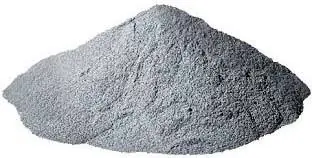
Overview

Cover powders help control reoxidation and heat loss.

Studies in continuous casting show that tundish cover powders influence the oxidation rate of molten steel and are sensitive to oxygen partial pressure and powder layer thickness.[1]

Key takeaway: Cover powder choice affects both reoxidation behavior and thermal stability.

Roles

What cover powders are expected to do.

Studies on tundish practice show that cover powders influence reoxidation by limiting air exposure and controlling oxygen transfer at the steel surface. The net oxidation rate depends on process stage and powder coverage conditions.[1]

Production-scale measurements quantify oxidation contributions during initial teeming and stable casting, underscoring the role of cover powders and air exposure in tundish cleanliness.[2]

Reoxidation

Cover powder effects on oxidation behavior.

Research on tundish practice shows reoxidation behavior depends on cover powder conditions and process parameters. Studies report measurable oxidation rate changes with cover powder use and teeming conditions.[1]

Additional work on tundish reoxidation behavior highlights how operational factors and cover flux influence oxygen pickup.[2]

Insulation

Coverage and thermal stability.

Cover powder thickness and coverage conditions influence oxygen transfer at the steel surface and help stabilize temperature by limiting exposure to the atmosphere during casting operations.[1]

Flux Chemistry

Chemistry choices influence oxygen pickup.

Experimental work shows that specific oxides in cover flux, such as Cr2O3, can contribute to reoxidation of Al-killed steel, underscoring the need to match chemistry to steel grade.[3]

Operational Practice

Practical guidance for plant teams.

  • Maintain consistent coverage to reduce oxygen pickup and heat loss.
  • Coordinate cover powder selection with shrouding and ladle lid practices.
  • Monitor steel cleanliness and temperature drop when changing powder grades.

Trial grades are recommended when changing cover powder chemistry or casting practice.

FAQ

Ladle Covering Compound Questions

How much cover powder should be applied?

Apply enough to maintain continuous coverage of the steel surface. The exact quantity depends on ladle size and practice.

Does cover powder affect steel cleanliness?

Yes. Properly selected cover flux reduces reoxidation and helps maintain cleanliness during casting.

Can we change grades between heats?

Yes, but changes should be validated through controlled trials and monitored for oxygen pickup and temperature loss.

References

Peer reviewed sources used in this handbook.